Flying Bee Heart: A Designer’s Review for Business Embroidery
First Impressions: Elegant, Friendly, and Brand-Ready
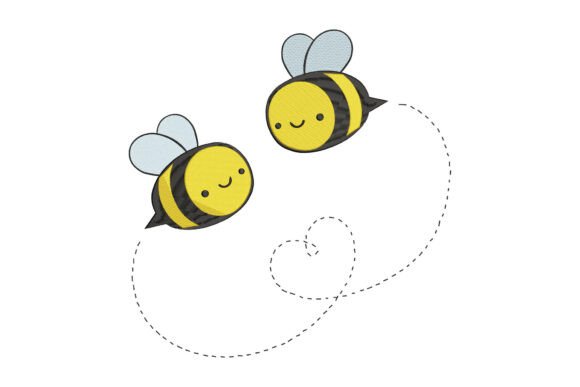
The Flying Bee Heart embroidery design immediately strikes a balance between charm and professionalism. Its title suggests movement and warmth, and the description promises a detailed, versatile layout suitable for a wide range of embroidery applications. As a designer, I see this as a strong candidate for small business branding—offering both visual appeal and adaptability across merchandise types.
This design reads as elegant yet playful, making it ideal for businesses in lifestyle, nature, or artisan niches. Whether it's for a boutique café, a handmade shop, or a pet brand, Flying Bee Heart feels like a thoughtful emblem rather than just a decorative motif.
Real Business Use: From Patches to Product Branding
When evaluating an embroidery design for commercial use, the key is versatility. The Flying Bee Heart fits well in multiple business contexts:
- Embroidered patches – The heart-and-bee motif offers a natural focal point that can stand alone or be framed in a custom patch layout.
- Staff uniforms – As a chest or sleeve accent, this design adds a touch of personality without overwhelming the garment.
- Apron embroidery – Particularly suited for bakeries, florists, or craft studios looking to elevate their staff wear with a soft, approachable emblem.
- Cap embroidery – The compact nature of the design makes it a potential fit for front cap embroidery, though size and stitch density should be tested first.
- Tote bag design – Positioned at the corner or center, it becomes a signature mark that elevates the product’s perceived value.
For Etsy sellers and handmade brands, Flying Bee Heart can be used as a brand identity element across product packaging, gift tags, or even woven labels. It also holds promise as a seasonal or event-based small business merch option—think spring promotions, local markets, or customer appreciation gifts.
Where to Use with Caution
While Flying Bee Heart appears well-structured, there are practical considerations for embroidery professionals:
- Small patch sizes – At reduced scales, intricate outlines may lose clarity. Always test at intended size before bulk production.
- Cap fronts and curved surfaces – Curved embroidery can distort fine details. Confirm that the hoop size and stabilizer support clean stitching.
- Dark uniforms – Light-colored threads may not stand out sufficiently. Consider underlay adjustments or thread contrast testing.
- High stitch density – Areas with tight stitching can lead to fabric puckering, especially on lighter materials. Evaluate thread coverage and fabric compatibility.
- Textured fabric – Rough or woven materials may affect stitch definition. Always test on actual fabric before finalizing the design.
As with any machine embroidery design, Flying Bee Heart should be reviewed for spacing, underlay, and pull compensation—especially if used in a commercial setting where consistency and durability are key.
Impact on Brand Identity and Customer Engagement
Embroidery is more than decoration—it's a tactile expression of brand identity. Flying Bee Heart contributes to a brand’s visual storytelling by offering a subtle but memorable emblem. It leans into warmth and craftsmanship, qualities that resonate with customers of handmade brands, local shops, and service-based businesses.
When used consistently across custom apparel, tote bags, and product packaging, this design helps build visual consistency and customer trust. It elevates the product value without appearing overly corporate, striking a balance that appeals to both modern and traditional audiences.
For Etsy sellers and craft businesses, Flying Bee Heart can become a signature element that enhances handmade presentation and buyer engagement. It's not just a design—it's a branding tool that tells a story of care, attention to detail, and a personal touch.
Designer Notes: Practical Tips Before Production
Before applying Flying Bee Heart in a business setting, here are essential steps every embroidery professional should take:
- Test it in black and white first – This helps assess contrast and detail clarity without color distraction.
- Check small patch size compatibility – Zoom in digitally and stitch out a sample to ensure legibility.
- Review thread color contrast – Especially on dark or textured fabrics, choose thread that enhances visibility.
- Inspect spacing and underlay – Ensure there’s no risk of thread bunching or distortion on real fabric.
- Confirm hoop size – Match the design to your available hoops to avoid scaling issues.
- Test on real fabric – Always stitch a sample on the intended material to check for puckering or density issues.
- Use proper stabilizer – Choose a stabilizer that matches the fabric type and stitch density for clean results.
- Create a mockup for client approval – Use a printable mockup to show placement and scale before production begins.
- Compare with other design assets – Ensure Flying Bee Heart aligns with your existing design assets in style and quality.
- Confirm commercial licensing – Always verify that the digital embroidery file allows for resale or business use before production.
Final Thoughts: A Strong Addition to Your Embroidery Portfolio
Flying Bee Heart is more than a pretty design—it's a commercial embroidery asset with real potential for small businesses, craft brands, and merch creators. Its elegant yet friendly aesthetic makes it versatile for both apparel and product branding. When used thoughtfully, it enhances brand recognition, adds value to the finished product, and supports a cohesive visual identity.
Whether you're a small embroidery shop or a creative studio looking to expand your merch offerings, Flying Bee Heart deserves a test run. Just remember to evaluate it thoroughly, test on actual materials, and confirm all licensing and technical specs before moving into production.