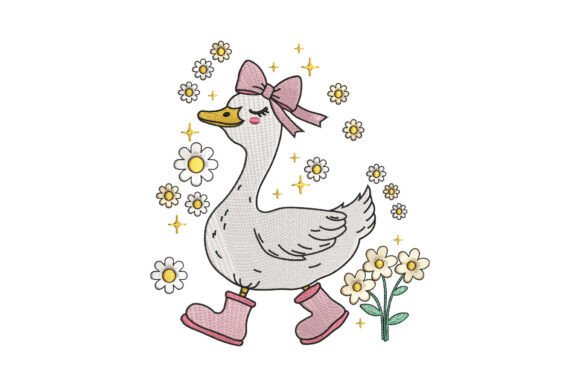
Silly Goose Girl
First Impressions: Playful, Professional, and Versatile
As an embroidery designer evaluating the Silly Goose Girl machine embroidery design, the first thing that stands out is its balance of whimsy and professionalism. The name itself suggests a lighthearted, approachable aesthetic—perfect for small businesses looking to convey warmth and creativity. From the product description, it's clear this design is crafted to add a subtle yet memorable touch to fabric projects, making it ideal for businesses in lifestyle, boutique, or artisan niches.
Visually, I imagine a stylized goose motif with clean lines and soft details that evoke charm without sacrificing clarity. This kind of design language works well for businesses aiming to project a handmade, boutique-style identity without appearing overly casual or unpolished. It feels modern enough to appeal to younger audiences while maintaining the classic appeal of traditional embroidery.
Real Business Use: From Patches to Product Packaging
Silly Goose Girl has strong potential as a multipurpose embroidery file for small business merch. Whether used as a chest logo on staff uniforms, a sleeve accent on aprons, or a branded patch on tote bags, its visual character supports both recognition and storytelling.
- Embroidered patches: At a glance, this design should hold up well when turned into a sew-on or iron-on patch. Its likely moderate stitch density ensures durability without making the patch stiff or uncomfortable.
- Uniform branding: For cafes, florists, or local shops, this design could serve as a subtle chest emblem on shirts or aprons, helping reinforce brand identity in a tasteful, non-corporate way.
- Cap and tote bag design: When resized appropriately, Silly Goose Girl could become a signature mark on the front of caps or the side of tote bags—popular items for customer gifts or event merch.
- Product packaging accents: Embroidered tags or small stitched labels using this design could elevate handmade products or artisan packaging, adding a personal touch that resonates with Etsy shoppers or boutique buyers.
Its adaptability across fabric types and product formats makes it a smart asset for digital embroidery file buyers looking to maintain visual consistency across their merchandise lineup.
Where to Use with Care
While Silly Goose Girl is versatile, there are scenarios where extra attention is needed to ensure the finished product meets business expectations:
- Small patch sizes: If the design includes fine outlines or small details, scaling it down too much might cause thread blending or loss of clarity.
- Cap fronts: Curved surfaces can distort the appearance of embroidered elements. A test stitch-out on a cap blank is recommended.
- Textured or dark fabrics: These materials may affect how thread colors appear or how the design reads from a distance. Consider contrast and fabric grain during mockups.
- Frequent washing: While the product description mentions T-shirts and towels, be mindful of stitch density and thread quality to ensure durability over time.
Always test the embroidery file on the actual fabric and review thread color contrast before bulk production. This helps avoid costly mistakes and ensures the finished product aligns with your brand’s quality standards.
Brand Identity and Customer Engagement
For small businesses, especially those in the handmade or creative sectors, Silly Goose Girl offers more than just decoration—it can become part of the brand narrative. A well-placed embroidered detail can elevate the perceived value of a product, increase customer trust, and support visual consistency across merchandise and promotional materials.
When used consistently across uniforms, packaging, and promotional items, this design can contribute to a cohesive brand identity that feels intentional and curated. It also appeals to buyers who appreciate a touch of whimsy and craftsmanship—key values for Etsy sellers, local artisans, and indie brands.
From a customer engagement perspective, a design like this can spark conversation and emotional connection. It's the kind of detail that makes a product feel special, not just branded—especially effective for businesses aiming to build loyalty through thoughtful presentation.
Practical Design Notes for Embroidery Professionals
Before using Silly Goose Girl in a commercial embroidery project, here are key steps to ensure success:
- Test in black and white first: Helps identify any hidden complexity or readability issues in the design.
- Check at small patch size: Ensures clarity and prevents thread crowding when scaled down.
- Review thread color contrast: Especially important on dark or textured fabrics.
- Inspect spacing and density: Avoids puckering or distortion on delicate materials.
- Confirm hoop size: Make sure it fits within your machine’s capabilities and the intended product area.
- Test on real fabric: Always stitch out on the final material to check appearance and durability.
- Use proper stabilizer: Prevents shifting and ensures clean, crisp results.
- Create a mockup for client approval: Especially useful for small business owners who need to visualize the final branded product.
- Compare with other design assets: Ensures the embroidery file aligns with your brand’s existing visual language.
- Confirm commercial licensing: Always verify that the digital embroidery file can be used for business purposes before production.
These steps will help ensure that your use of Silly Goose Girl remains both visually effective and professionally sound, especially when working with clients or producing merchandise for resale.
Final Thoughts: A Smart Addition to Your Embroidery Library
In summary, Silly Goose Girl is more than a decorative bird embroidery design—it’s a branding tool that, when used thoughtfully, can elevate your small business merch, enhance customer engagement, and support a cohesive visual identity. Whether you're an embroidery shop, apparel decorator, or Etsy seller, this design offers a charming yet professional way to personalize your products and connect with your audience.